Read the following passage carefully and answer the questions given below: "The best part of every man's education", said Walter Scott, "is that which he gives to himself." The education received at school or college is but a beginning, and is valuable chiefly because it trains the mind and makes it accustomed to continued application and study. That which is put into us by others is always far less than that which we acquire by our own effort. Knowledge conquered by labour becomes a possession-a property entirely our own. Our own active effort is esrential thing and no faculties, no books, no, teachers, no amount of lessons learnt by note will enable us to do without it. The best teachers have always emphasized the importance of self culture, and stimulating the student to gain knowledge by the exercise of his own faculities. They have relied more upon training than upon telling, and have tried to make their pupils active partners in the work of their own education, but not mere passive receivers of information. This was the spirit in which Dr. Arnold, the great Headmaster of Rugby, worked, he strove to teach his pupils to rely upon themselves and develop their powers by their own active effort, he himself merely guiding, directing, stimulating and encouraging them.
Ques: (a) What is the difference between telling and training in education?
(b) Which is the better way and why?
(c) What is the function of the teacher in an ideal system of education?
(d) What did Walter Scott Say about education?
(e) How does knowledge become a possession?
 Address Academy
 Home
Home
 Profile
 Login
Login
 Register


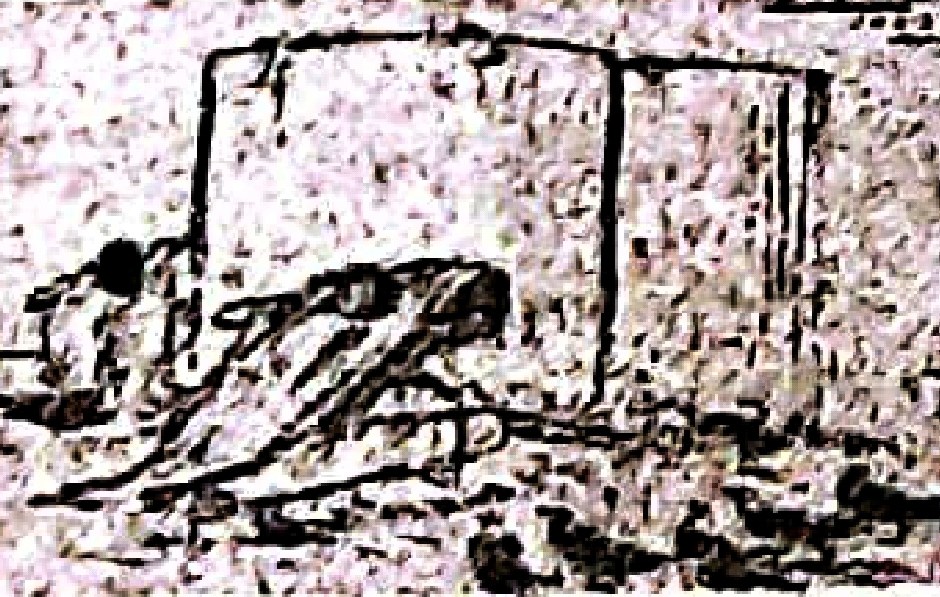 শিল্পচার্য জয়নুল আবেদিন ১৯৪৩ সালের ভয়াবহ দুর্ভিক্ষ অবলম্বনে অঙ্কন করেন উপরের চিত্রটিসহ অসংখ্য চিত্র যেগুলো 'দুর্ভিক্ষের চিত্রমালা' নামে দেশ-বিদেশে সাড়া জাগায় এবং তাঁকে অমর করে তোলে।